Nutrition for Seniors: Building a Balanced Plate
Appetites change with age, and so do nutritional needs. Here's how to build meals that nourish without overwhelming.

One of the things that catches families off guard is how much eating habits change as a parent ages. The person who used to clean their plate now picks at meals. Favorite foods stop being interesting. Weight slips off without anyone noticing until clothes start hanging loose.
Nutrition for older adults isn't a smaller version of nutrition for younger ones. It's its own thing — and getting it right makes a real difference in energy, mood, immunity, and how well someone heals from illness or injury.
What older bodies need
As we age, calorie needs drop a bit — but the need for actual nutrients goes up, not down. That's a tricky combination. It means every bite needs to be working harder. The big things to focus on:
- Protein — older adults need more protein than younger adults to maintain muscle, heal from illness, and stay strong. Eggs, fish, chicken, beans, dairy, and nut butters are all great sources.
- Fiber — keeps digestion moving and helps with blood sugar. Whole grains, vegetables, fruit, and beans.
- Calcium and vitamin D — for bones, which become more fragile with age. Dairy, leafy greens, fortified foods, and sunlight (or a supplement).
- Vitamin B12 — older adults absorb it less efficiently. A supplement is often a good idea.
- Water — the thirst signal weakens with age, so older adults often don't realize they're dehydrated. Dehydration can cause confusion, weakness, and falls.
Making meals appealing again
If your loved one has stopped enjoying food, the answer usually isn't a new diet plan — it's making eating feel good again. A few things that often help:
- Smaller, more frequent meals. A big plate can feel overwhelming. Five or six small offerings throughout the day are easier on a smaller appetite.
- Eat together. People eat more when they're not eating alone. If you can share a meal, even occasionally, it makes a difference.
- Lean into favorites. An older person loses some sense of taste. The flavors they've always loved are still the ones that work best.
- Add herbs and seasoning. Most older adults could use more flavor, not less. Garlic, lemon, fresh herbs, and warm spices wake up dulled taste buds.
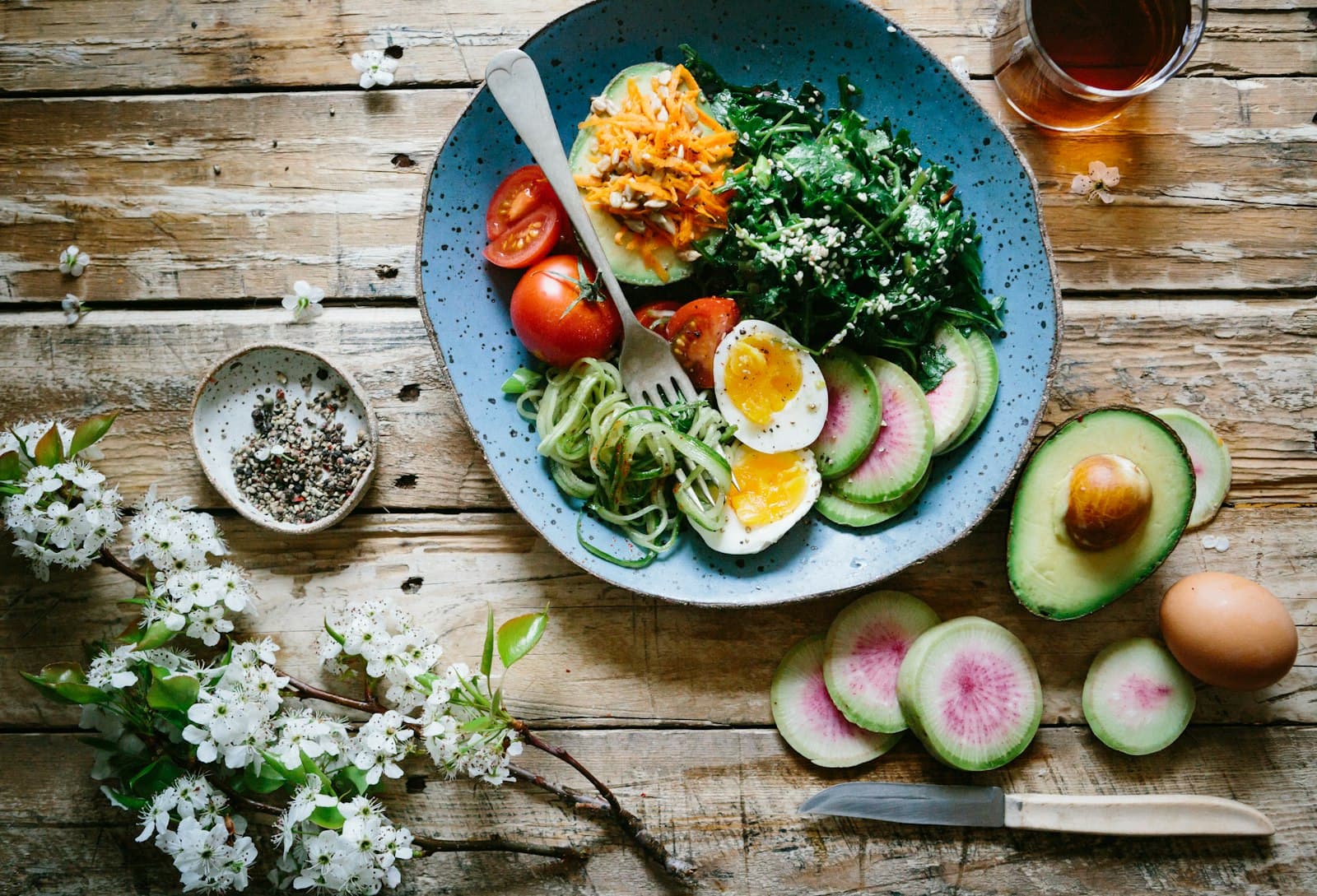
- Make food look nice. A plate with a few colors on it is more appealing than a beige pile.
When eating becomes hard
Sometimes the problem isn't appetite — it's the physical act of eating. Loose dentures, dry mouth, swallowing trouble, or shaky hands can all turn a meal into a chore. Pay attention to whether your loved one is avoiding foods they used to love, eating only soft things, or coughing while eating. Those are signals worth bringing to a doctor.
Soft, calorie-dense foods can help: smoothies, soups, mashed vegetables, scrambled eggs, oatmeal with nut butter and banana. These get nutrition in without requiring much chewing.
The most important thing
Don't turn meals into a battle. If your parent doesn't want to eat dinner tonight, it's okay. What matters is the pattern over weeks, not any single meal. If you're seeing real weight loss, talk to the doctor — there are gentle ways to address it. But forcing food on someone who's not hungry rarely helps and often makes meals into something both of you dread.
Food is supposed to be a pleasure, even when life feels hard. Your loved one deserves meals that feel like care, not medicine.